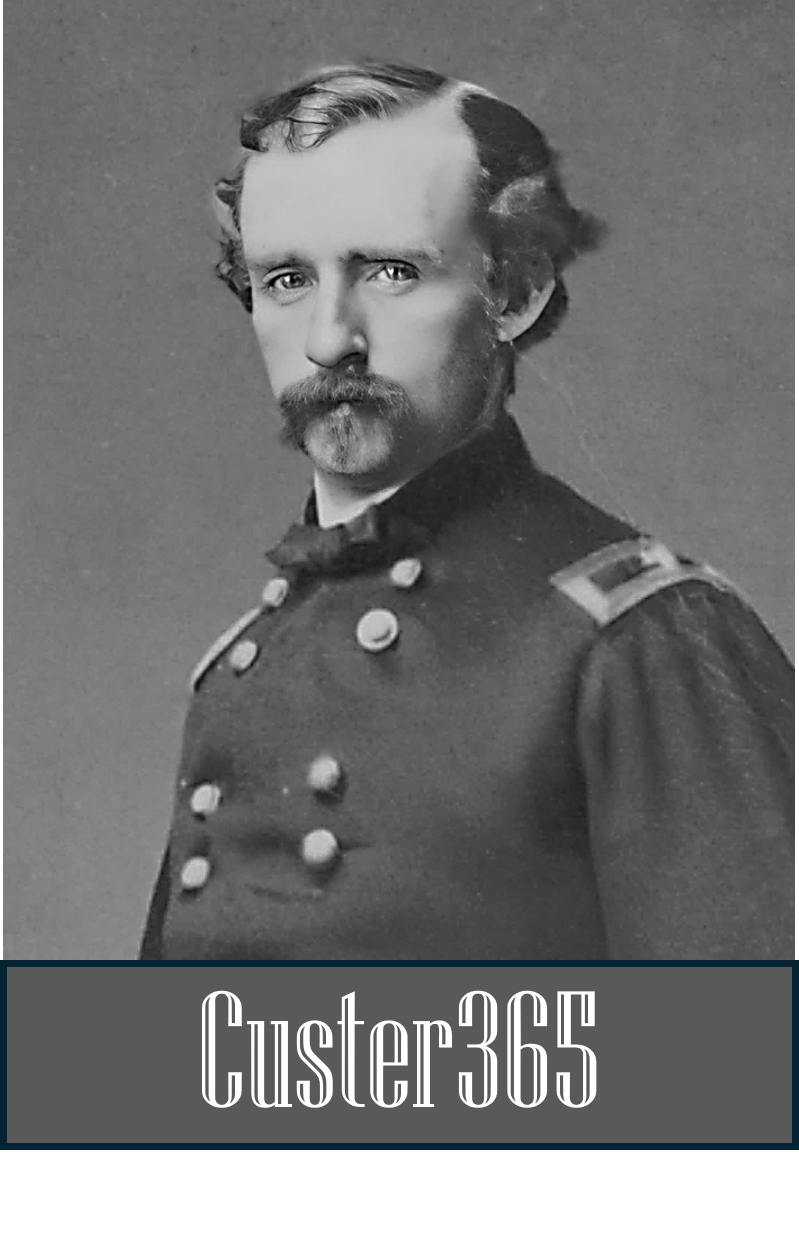

DEC 28: Crazy Horse Ends 1876 in Turmoil
Over the last few days of December 1876, Crazy Horse wasn’t basking in warm reflection of the glorious defeat of Custer and the U.S. 7th Cavalry at Little Bighorn in June. Instead, he faced annihilation by the U.S. Army, as General George Crook and Colonel Nelson A. Miles were in a competition, so to speak, to see which one could either drive Crazy Horse and his remaining band of Oglallas onto the reservation or kill them.
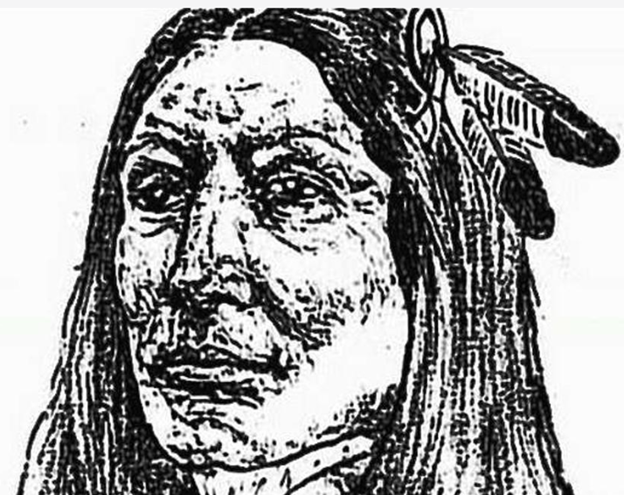
Crazy Horse of the Oglalas.
The stage was set shortly after the “Custer Massacre.” The U.S. Congress, reflecting public outrage over the defeat, intensified efforts to rid the Plains of Indians. Before the battle, Congress was critical of General of the Army William T. Sherman over the large sums of money being spent trying to drive tribes onto a network of reservations. Now, Congress opened its purse wide and authorized more troops and enacted legislation to seize the Black Hills. Through increased military pressure and treaty violations, they would end the resistance for good.
The huge numbers of Sioux, Cheyenne and Arapahoe warriors that had massed at Little Bighorn dispersed afterwards and their numbers began to dwindle. Sitting Bull and his Hunkpapas fled north to Canada, figuring Queen Victoria (the “Grandmother”) would treat them better than the Americans. By contrast, Crazy Horse and his Oglallas headed to the southeast.
General George Crook had been pursuing Indians throughout the summer of 1876 without result. He had under his command 2,200 soldiers, 60 Sioux scouts, 350 Shoshones and Crows. Moving up the old Bozeman Trail from Ft. Fetterman, Crook’s scouts attacked Cheyennes at the base of Big Horn Mountains on November 25. The Cheyennes lost 40 men, women and children, as well as their ponies. They fled northeast looking for Crazy Horse, who was in the Powder River country.
In early December, they found Crazy Horse and he took them in. The Oglallas shared what little food they had with the starving, freezing Cheyennes. By mid-December, according to author Stephen E. Ambrose, Crazy Horse decided to give up. Buffalo were too scarce to replenish losses the Cheyenne had experienced. Crazy Horse had only 500 warriors left, he was short on guns and ammunition, and his wife, Black Shawl, had tuberculosis.
“His responsibility was to his people, not to his own reputation,” Ambrose wrote. “It was time to surrender.”
Colonel Miles had his eyes set on being the man that captured Crazy Horse. Miles was stationed at Cantonment on the Tongue River (later Fort Keogh) in Montana Territory during the winter campaign of 1876-77. He sent runners out to Crazy Horse, promising him fair treatment. Crazy Horse led his people down the Tongue River to meet Miles and sent eight men ahead with a white flag as a peace delegation. When Miles’ Crow scouts spotted the party, they raced in and attacked them, leaving five Sioux dead. Miles sent a gift of tobacco and apology to Crazy Horse, who refused both and turned away from the fort.
Crazy Horse and group moved on. It was a terribly cold winter with immense drifts of snow. Hunting was poor and his people remained hungry. A small group of families tried to break away and go to the Red Cloud Agency and surrender. Crazy Horse would not allow it. He sent warriors to break up the lodgepoles of the runaways and shoot their ponies.
A few days before New Year’s Eve, messengers sent by both Miles and Crook (from the Red Cloud Agency) came to Crazy Horse’s camp and admonished them to come in, be fed and get warm. Crazy Horse warned that all deserters would be followed and punished. The next morning some 13 families started out for the agency. Crazy Horse and some warriors caught up with them, shot their horses, took their guns, knives and power, and said if they wanted to go on to the whites to do so. They all turned back.
“The whole sad business must have caused Crazy Horse great pain,” Ambrose said. “It was a very un-Indian like thing for him to do, forcing people to stay with him in a situation of extreme danger.
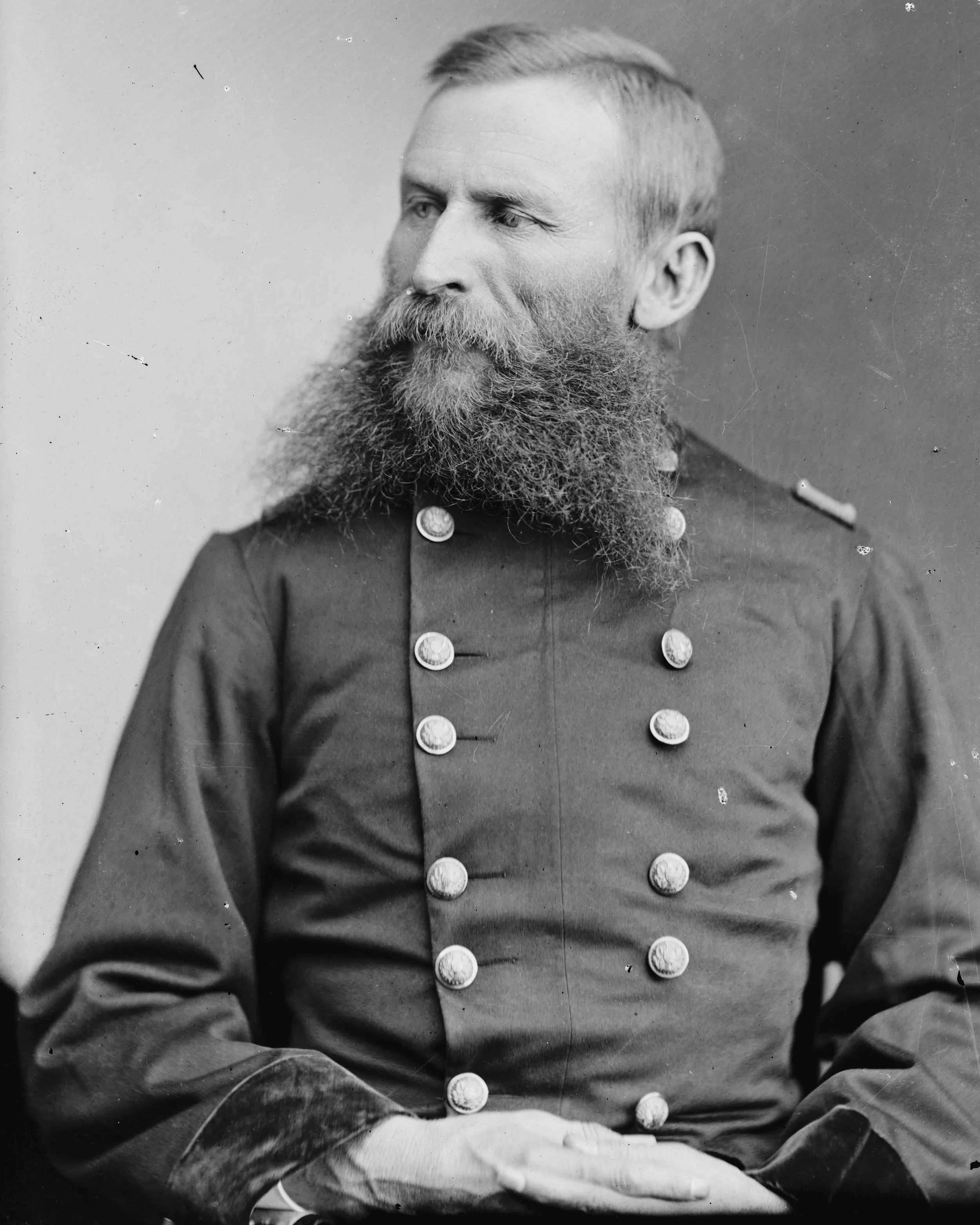
General George Crook. (Credit: Library of Congress)
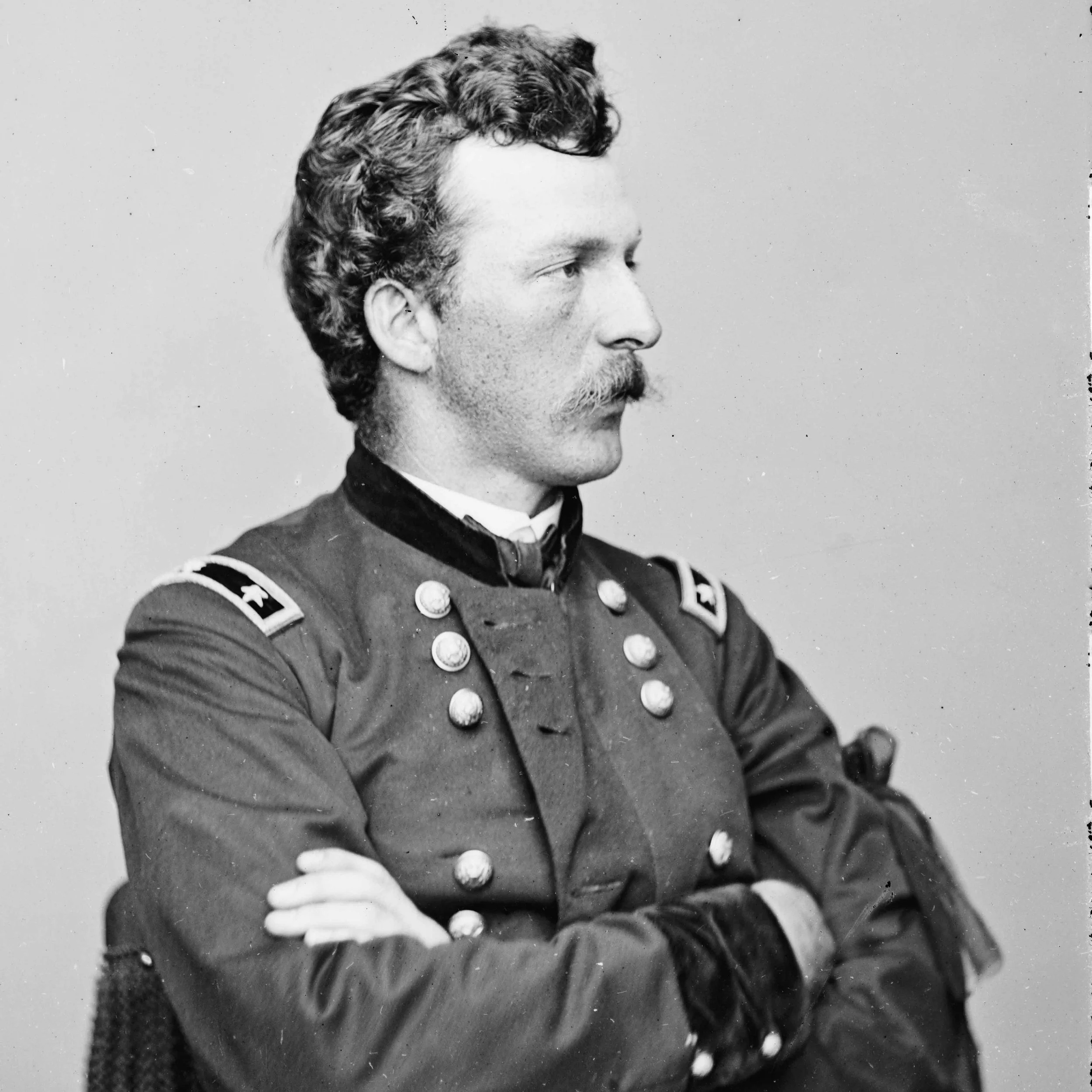
General Nelson A. Miles. (Credit: Library of Congress)