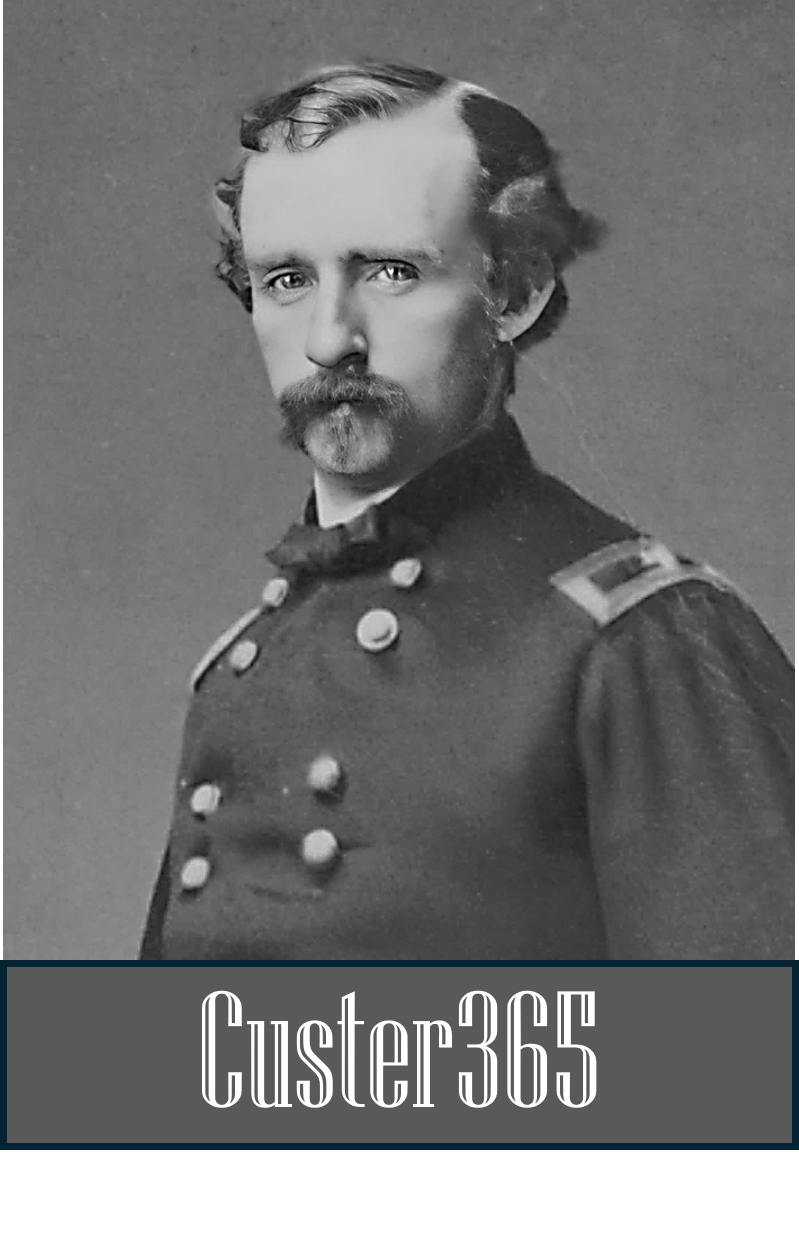

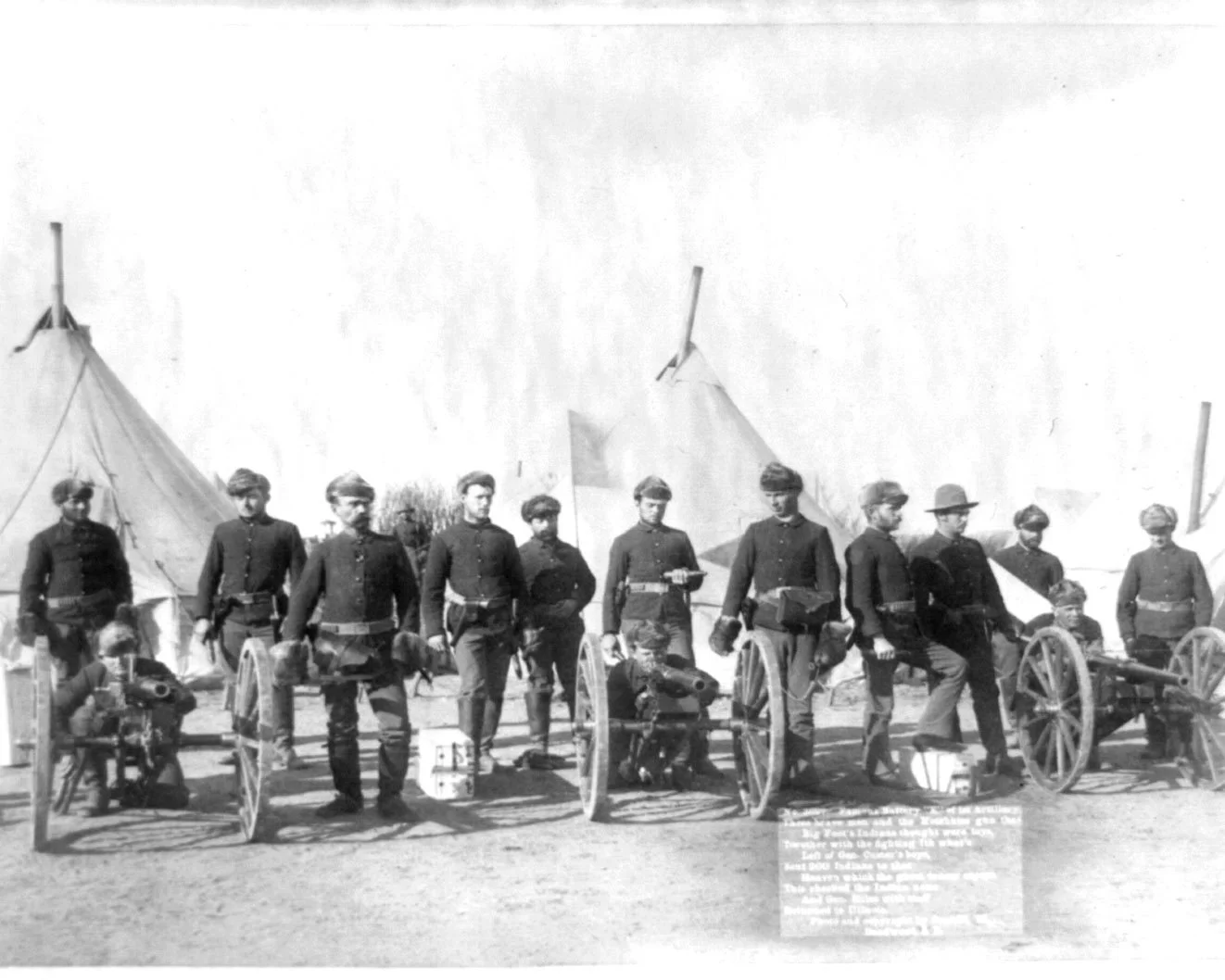
DEC 29: Massacre at Wounded Knee
Between 200 to 300 Lakota people were killed by U.S. 7th Cavalry troops on Dec. 29, 1890, at Wounded Knee Creek in present-day South Dakota. It remains one of the most-brutal actions in U.S. military history.
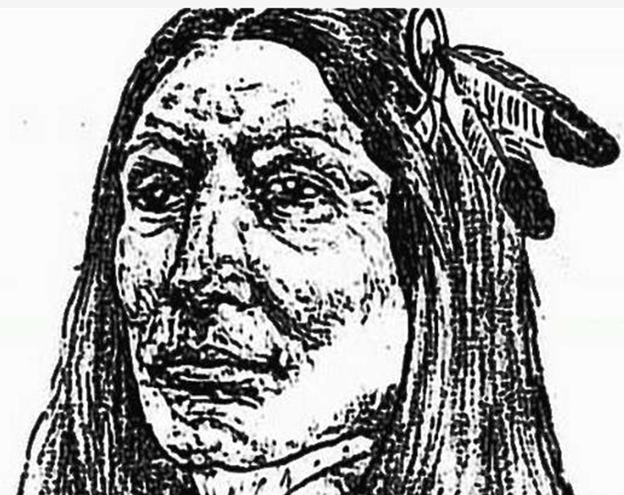
DEC 28: Crazy Horse Ends 1876 in Turmoil
At the end of December 1876, Oglala Lakota leader Crazy Horse faced anihilation by the U.S. Army, fueld by new Congressional funding and public outrage.
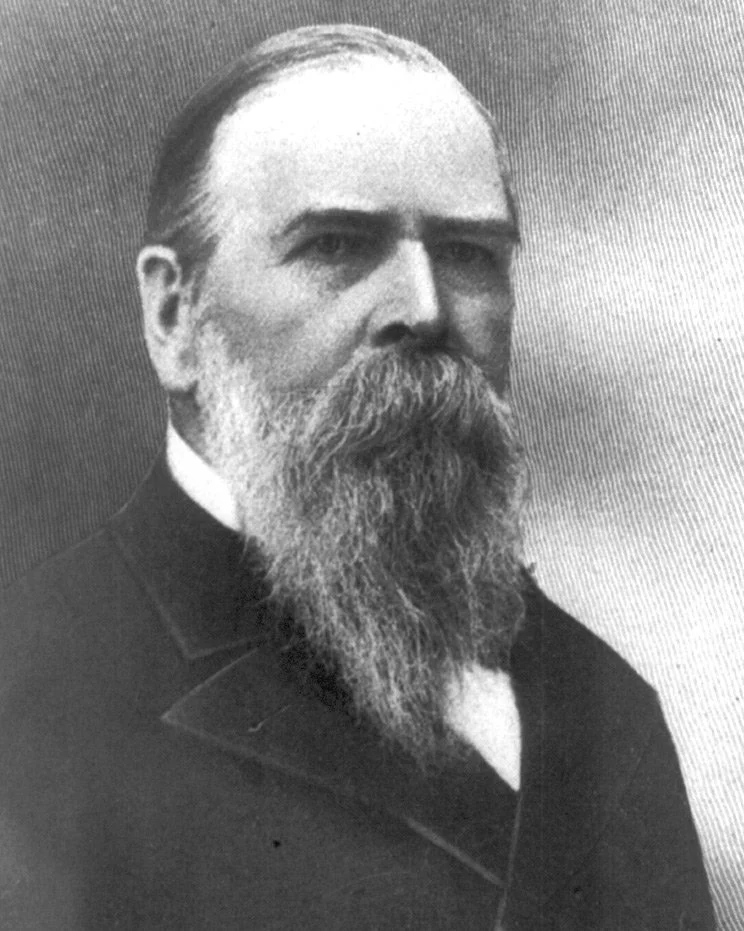
DEC 27: Bidwell-Bartleson Party Perserveres
In December 1841, John Bidwell and his partner, John Bartleson, were in the midst of the first successful wagon train crossing from Missouri to California.
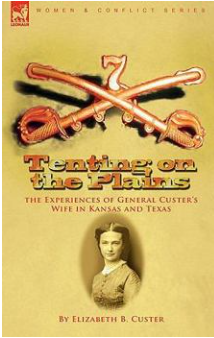
DEC 26: NY Times Plugs Libbie’s New Book
The New York Times alerts the reading public to the imminent release of Libbie Custer’s newest book on Dec. 26, 1887.
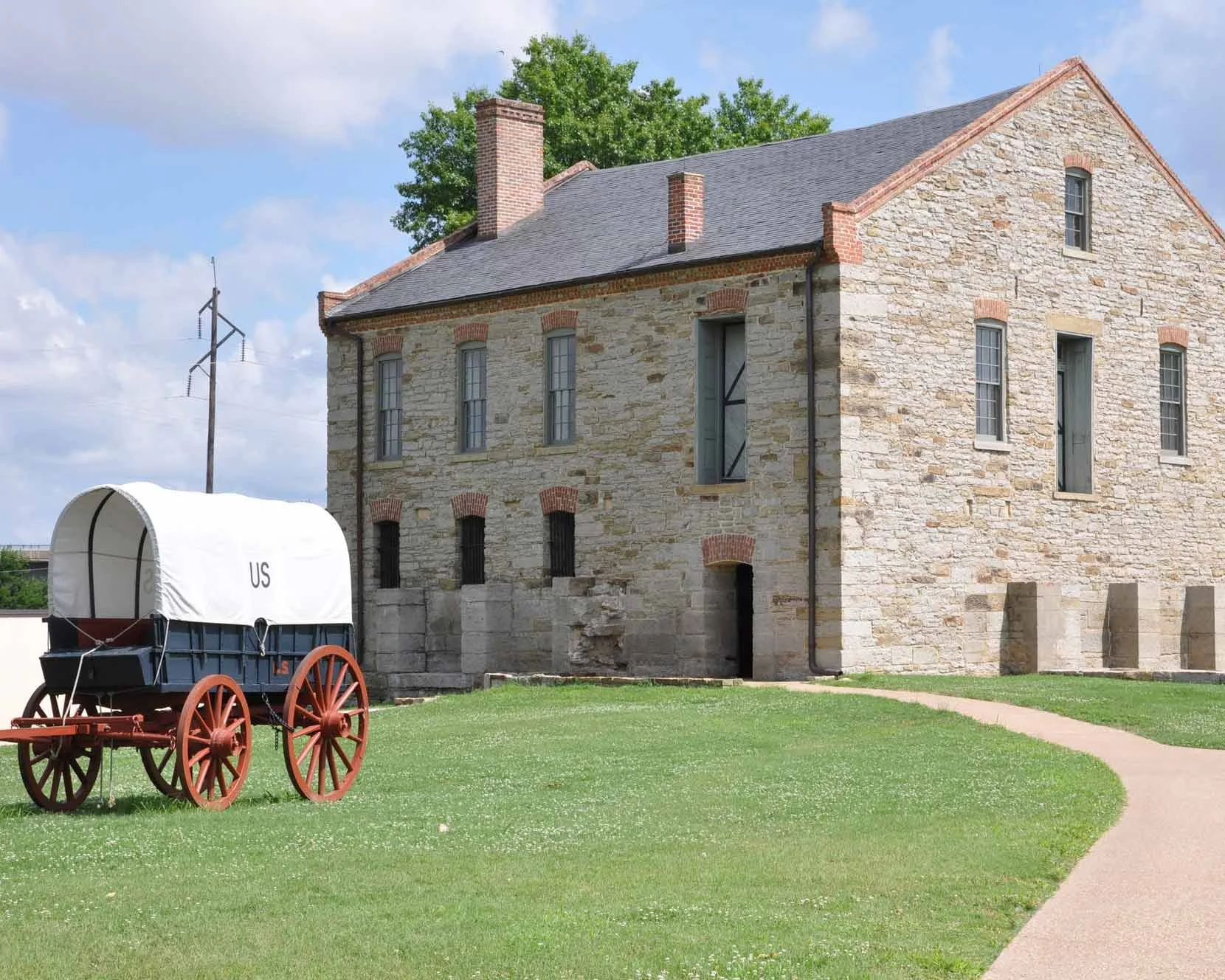
DEC 25: Fort Smith Construction Begins
On Christmas Day in 1817, construction begins on Fort Smith in present-day Arkansas.
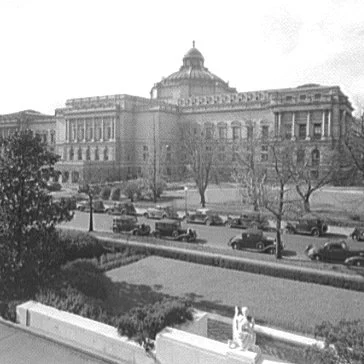
DEC 24: Fire Ravages Library of Congress
A fire sweeps through the Library of Congress building on Dec. 24, 1851. Among items destroyed were two-thirds of Thomas Jefferson’s personal collection of books and papers.
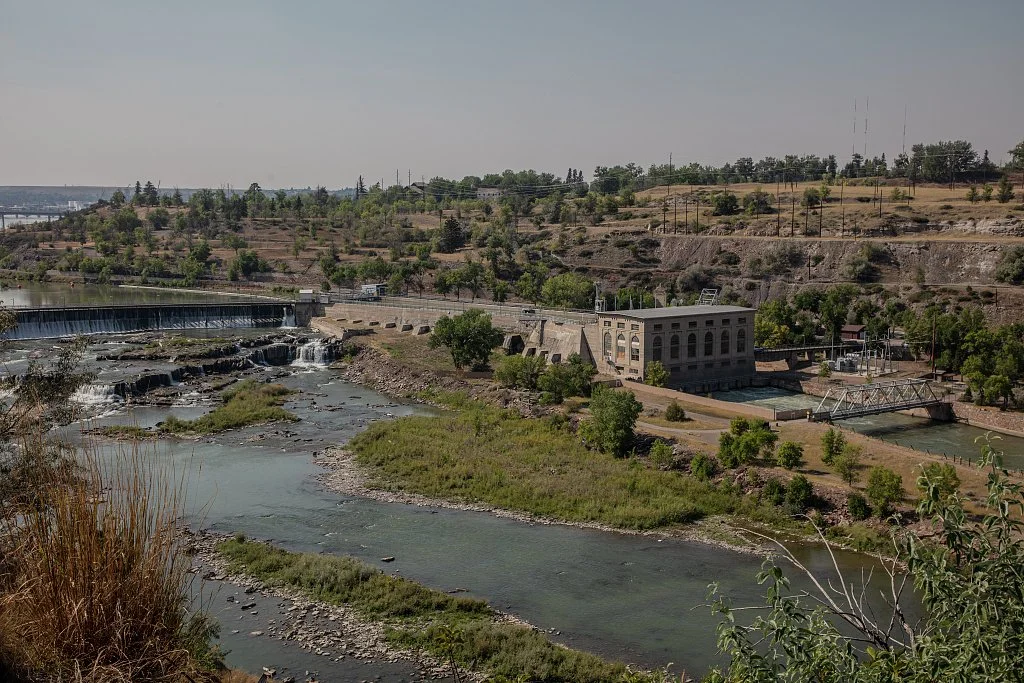
DEC 23: Black Eagle Dam Revs Up
In December 1890, the first hydroelectric dam on the Missouri River begins generating electricity.
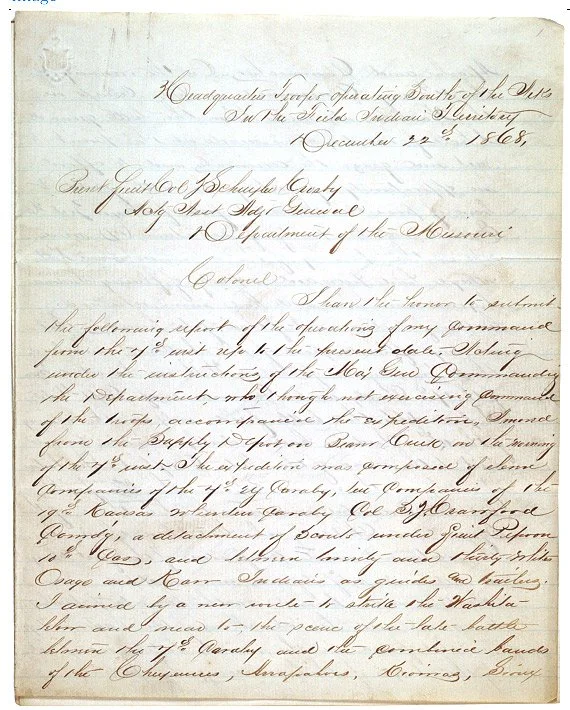
DEC 22: Custer Files Washita Action Report
On Dec. 22, 1868, Lt. Colonel George A. Custer officially submits an action report from the Nov. 27 Battle of the Washita. In it, he describes the grisly discovery of Major Joel Elliott and 17 troopers, killed while pursuing hostile Indians.
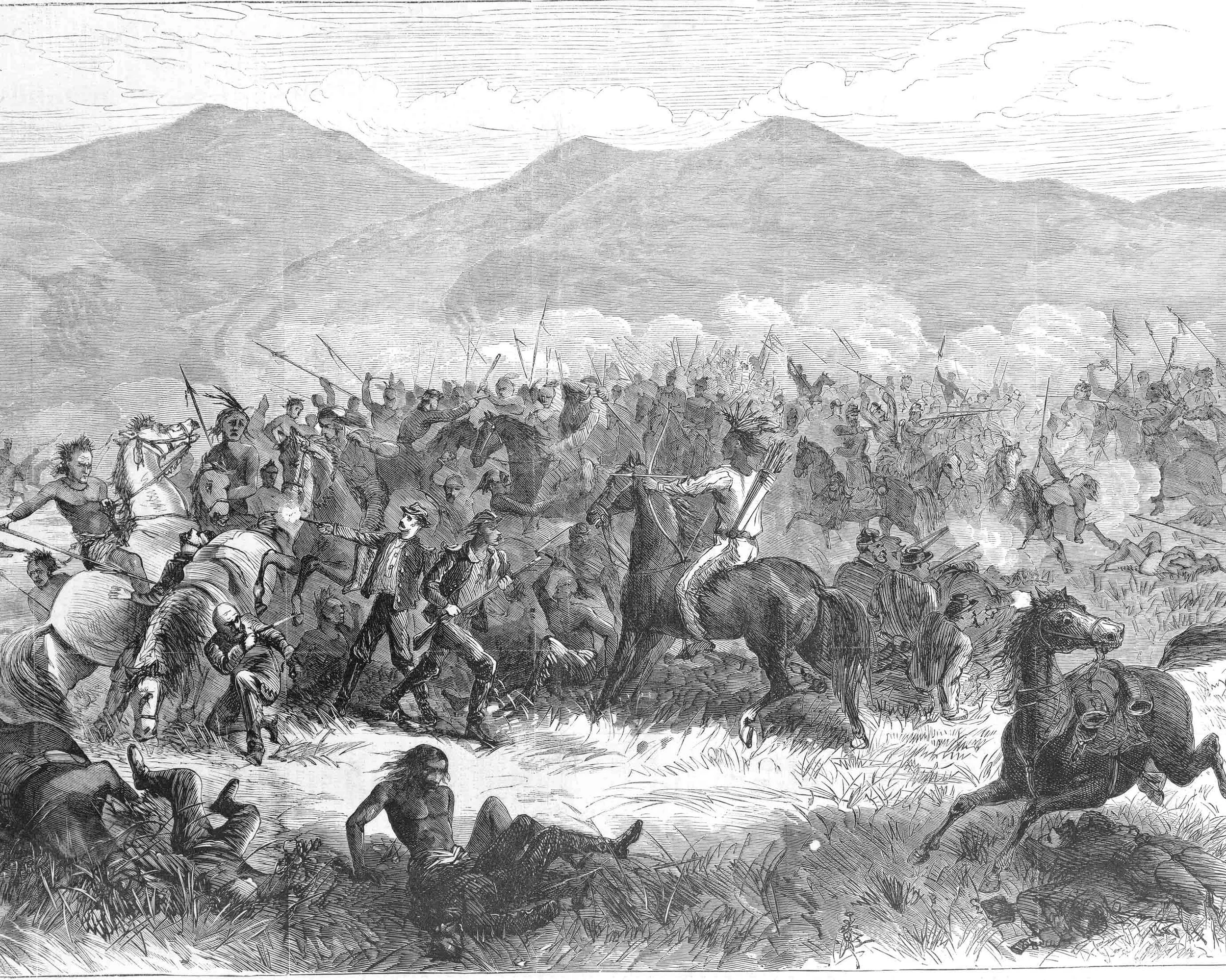
DEC 21: The Fetterman Massacre
On Dec. 21, 1866, warriors led by Crazy Horse lured 80 U.S. Cavalry officers and troopers into an ambush near Fort Phil Kearney in central Wyoming and killed them all.
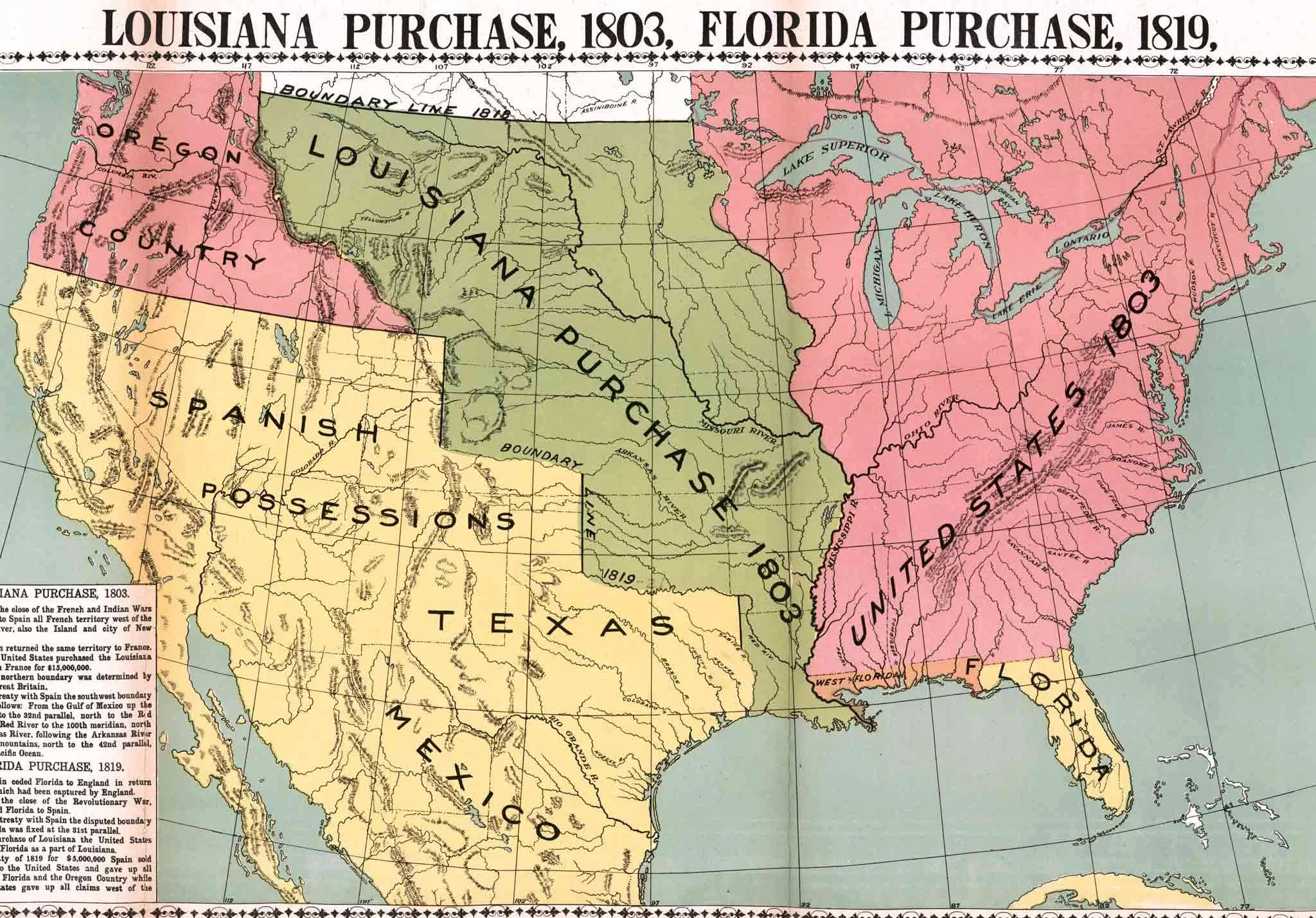
DEC 20: U.S. Takes Control of Louisiana Purchase Lands
The United States took control on Dec. 20, 1803, of land it acquired from Napoleon and France in the Louisiana Purchase.
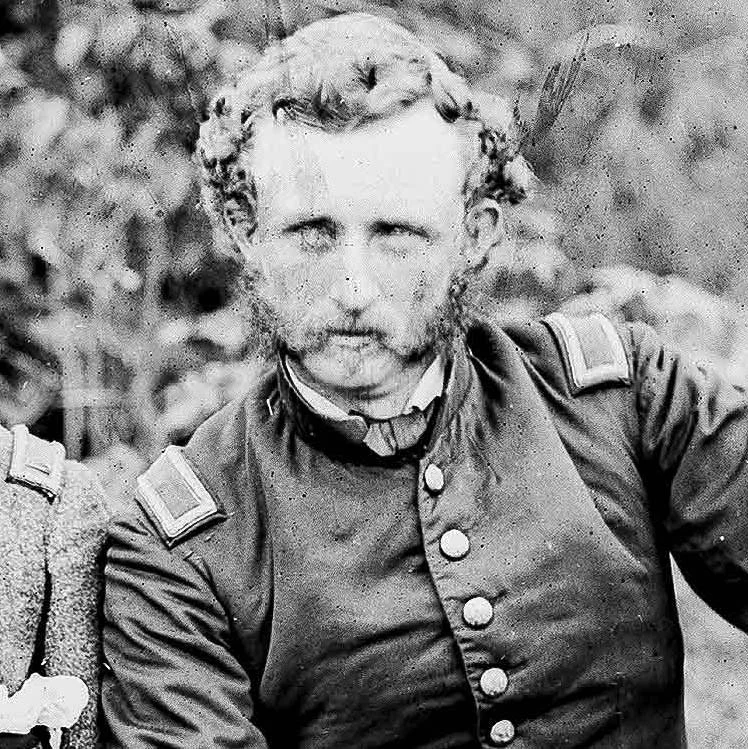
DEC 19: Custer Secretly Announces Wedding Plans
On Dec. 19, 1863, George Custer secretly reveals to a friend his plan to marry Elizabeth Bacon Custer.
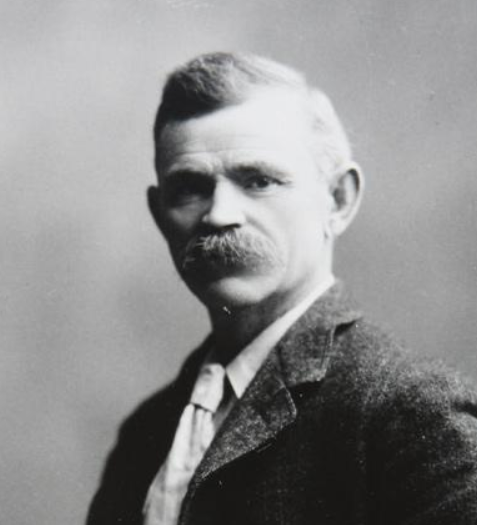
DEC 18: Mesa Verde Landmark Discovered
Rancher and explorer Richard Witherill discovers Cliff Palace, part of the ancient Pueblo cliff dwellings in southwest Colorado, on Dec. 18, 1888.
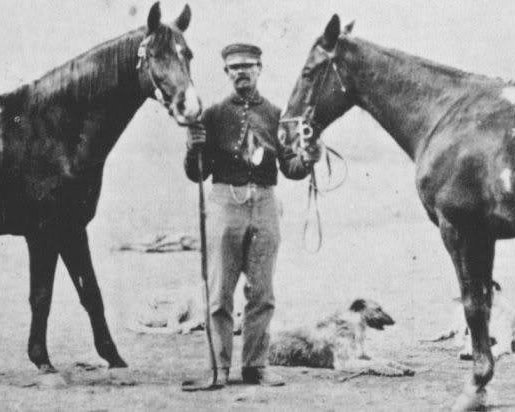
DEC 17: Custer’s Horses, pt. 1 - Dandy
Dandy, on the right in this photo, was one of George Custer’s all-time favorite mounts.
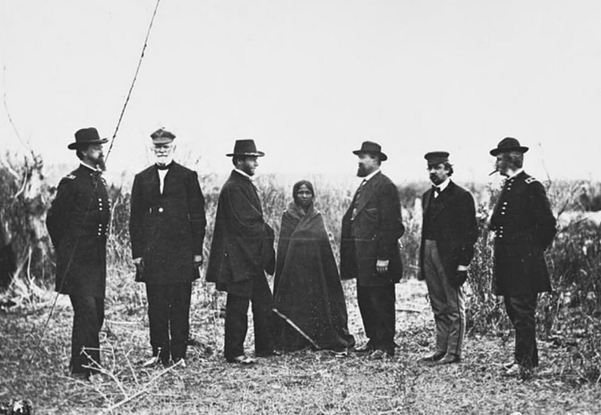
DEC 16: General Terry Dies
General William Howe Terry, shown far left in this photo with other members of the 1868 U.S. Peace Commission, died on Dec. 16, 1890, in New Haven, Connecticut.
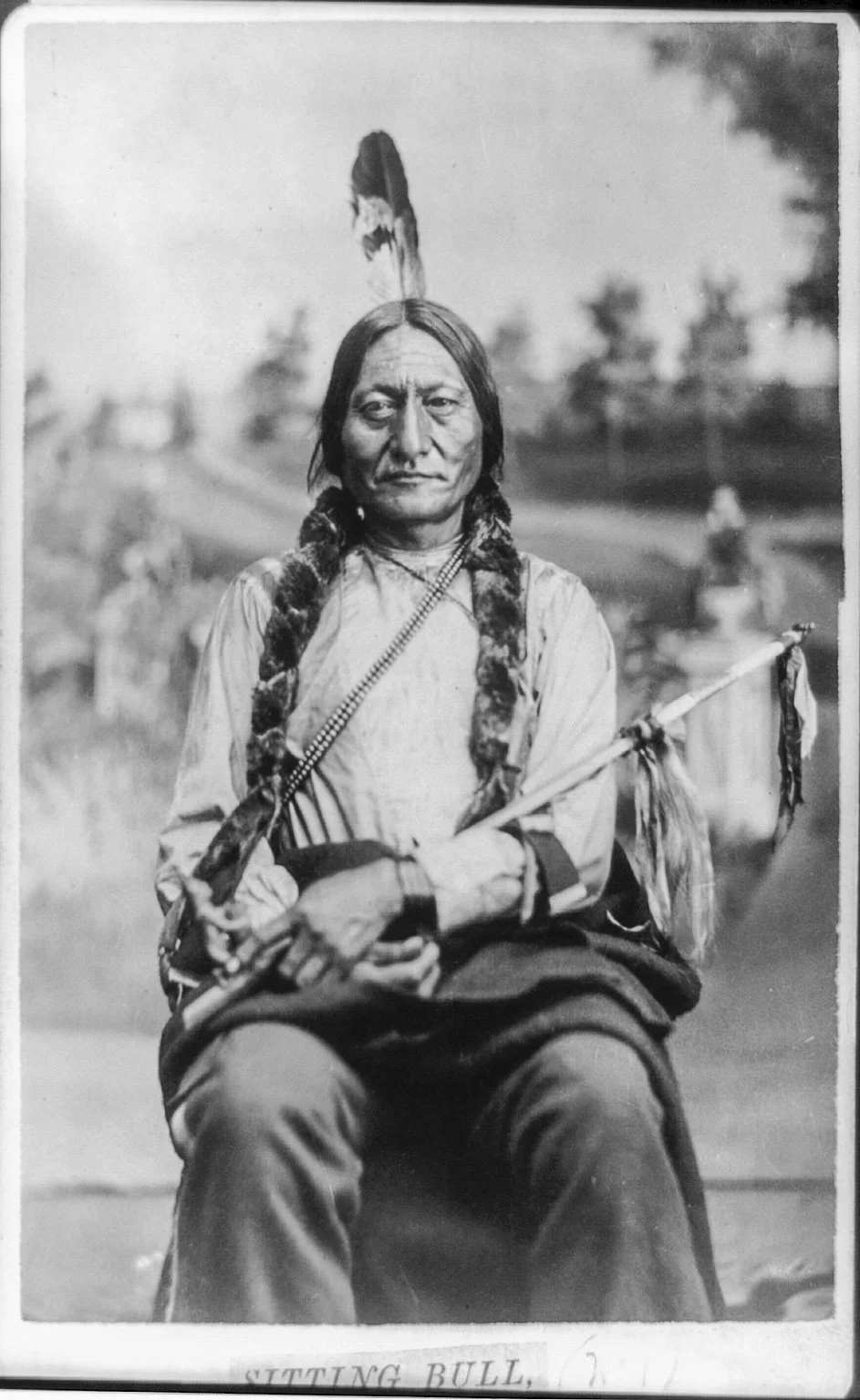
DEC 15: Sitting Bull is Killed
Hunkpapa Lakota chief Sitting Bull is killed on Dec. 15, 1890, by Indian police on the Standing Rock Reservation in South Dakota.
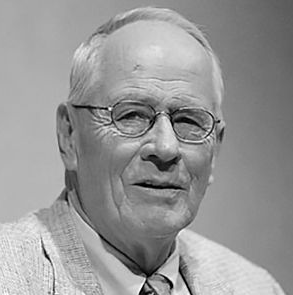
DEC 14: White America’s Policy Toward Indians
The late author Stephen E. Ambrose claimed Custer’s actions at the 1868 Battle of Washita, where more than 100 Cheyenne were killed during a cavalry attack, exemplified America’s policy toward Indians.
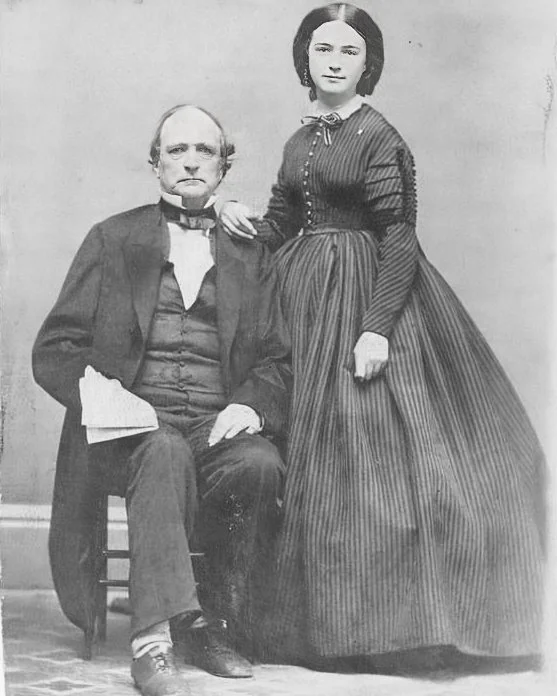
DEC 13: Libbie’s Father is Born
Judge Daniel Stanton Bacon, shown here with his daughter ‘Libbie’ Bacon Custer, was born this week in 1798 in Onondaga, New York.
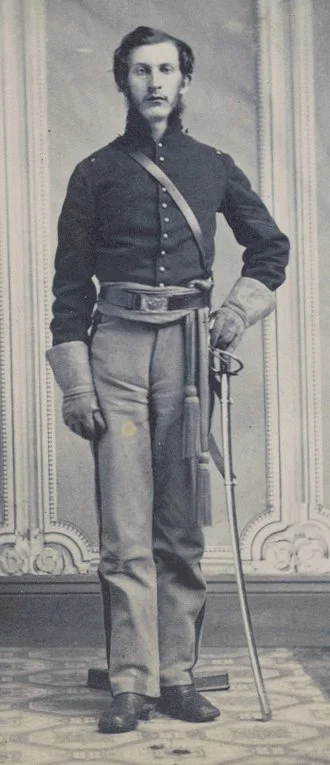
DEC 12: Michigan Cavalry Brigade is Formed
The hard-charging Michigan Cavalry Brigade, eventually to be led by Monroe’s own George A. Custer, was formed on Dec. 12, 1862.
DEC 11: Custer’s Aunt Dies
George A. Custer’s aunt Ellen dies on this date in 1893 in West Virginia.
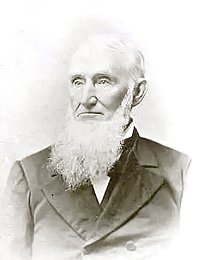
DEC 10: Emanuel Custer is Born
George Custer’s father, Emanuel, is born on Dec. 10, 1806 in Maryland.