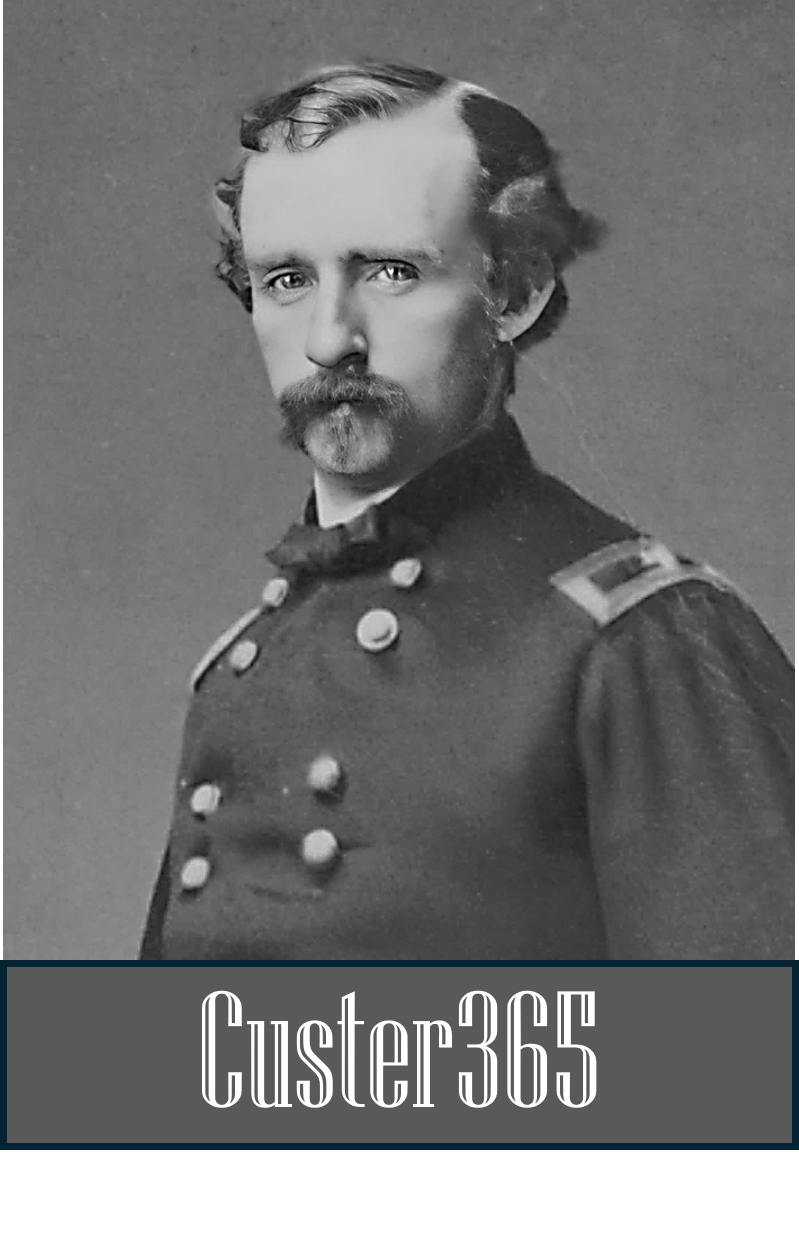

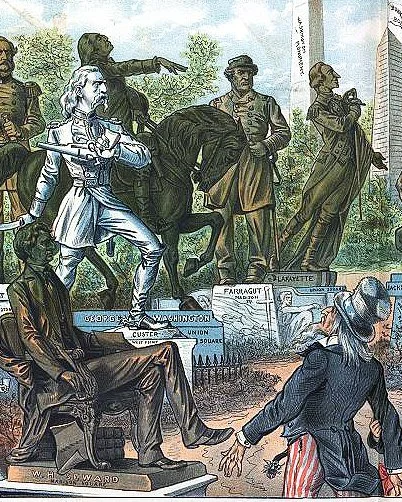
JULY 25: Herald Raises Money for Memorial
The New York Herald raised contributions in July 1876 for a memorial to slain military leader George Armstrong Custer.
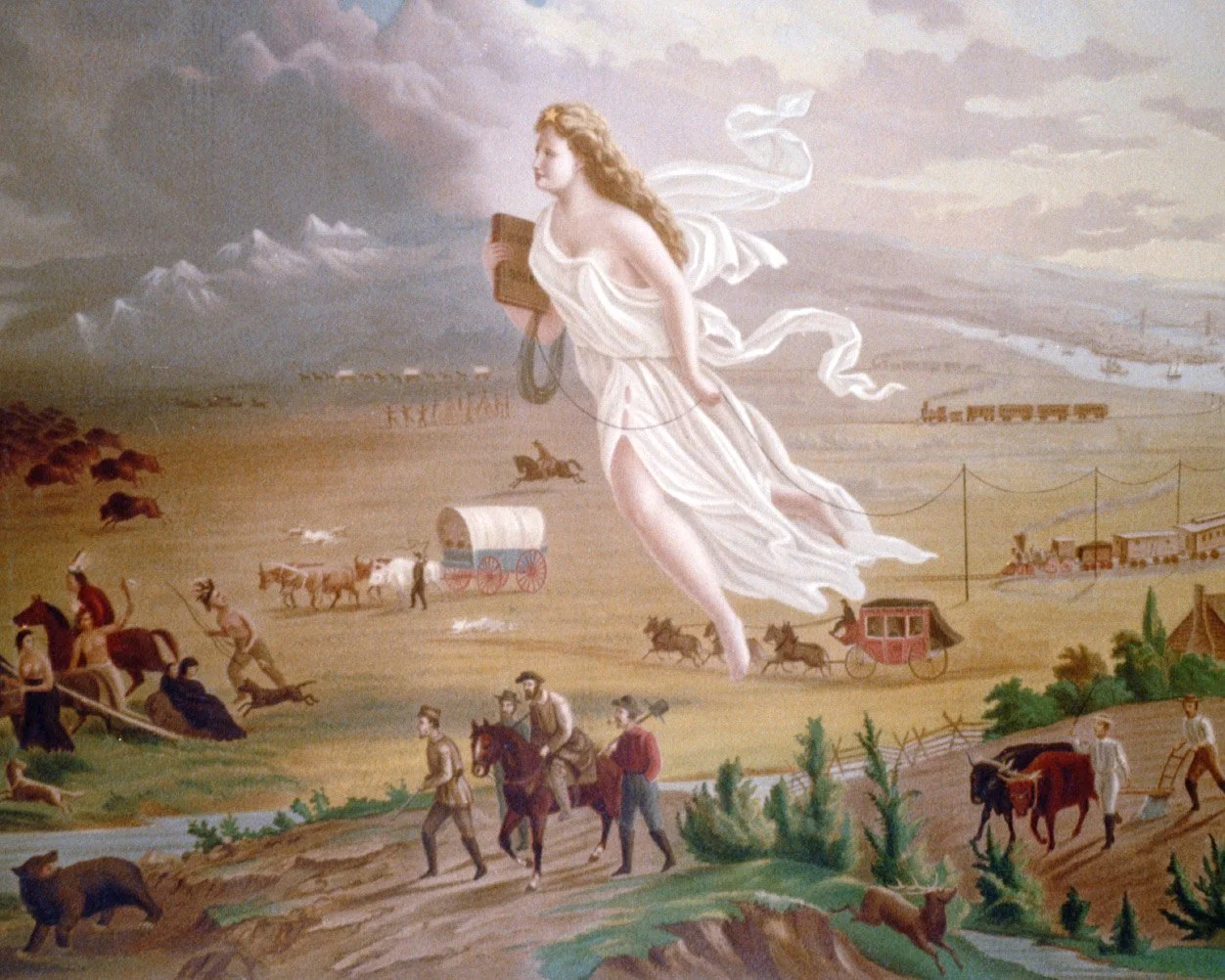
JULY 24: Manifest Destiny Arises
‘American Progress’ by George A. Crofutt (1873) shows an allegorical female figure of America leading pioneers westward.

JULY 23: Joining the 7th
Lt. Colonel George A. Custer of the 7th Cavalry Regiment in his study at Fort Lincoln, Dakota Territory

JULY 22: Black Hills Arrival
George Custer and the 7th Cavalry enter the Black Hills in Dakota Territory on July 22, 1874.
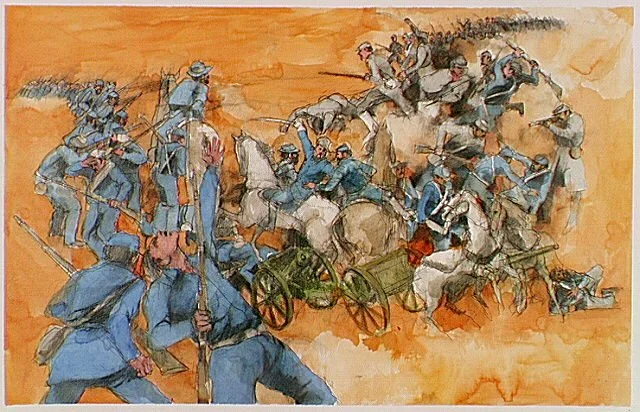
JULY 21: Trouble at Bull Run
Union and Confederate troops clashed at Battle of Bull Run in Virginia on July 21, 1861.

JULY 20: Sitting Bull Surrenders
Lakota Sioux Chief Sitting Bull surrenders to the U.S. Army at Fort Buford in Dakota Territory.

JULY 19: The Death Struggle
W.M. Cary depicts George Custer’s fight at Last Stand Hill in his illustration, “The Death Struggle of General Custer” (1876).


JULY 17: First Scalp for Custer!
U.S. Army scout William F. “Buffalo Bill” Cody killed Cheyenne warrior Yellow Hair on July 17, 1867 in northwest Nebraska.

JULY 16: A Chat With Mrs. Custer
George Custer’s widow, Elizabeth “Libbie”, sat down for an interview with a reporter from the Spokane Falls Review for a story published on July 16, 1890.

JULY 15: Missing the Missus
U.S. Army Maj. Gen. Winfield Scott Hancock was Lt. Col. George Custer’s superior officer when Custer left his post at Fort Wallace, Kansas on July 15, 1867, in pursuit of his wife, Libbie.

JULY 14: Book Review 01
Author Chris Wimmer weaves facts and interesting anecdotes about some of the West’s wildest characters in the book, “The Summer of 1876.”

JULY 13: Aide-de-Camp Custer
In July 1862, Custer served as aide-de-camp to Gen. George B. McClellan, commander of the Army of the Potomac.

JULY 12: Custer Look-Alike?
Jeopardy host Ken Jennings bears a resemblance to Gen. George Armstrong Custer.

JULY 11: `I Go With Custer’
On July 11, 1876, the New York Herald newspaper published, posthumously, the final letter sent by their reporter Mark Kellogg, who accompanied Custer and the 7th Infantry to the Little Bighorn. Kellogg was killed during the battle.

JULY 10: Mistakes Happen
Maj. General George Armstrong Custer always served in the U.S. Cavalry

JULY 9: Massacre Headlines Continue
Headlines in newspapers across America trumpeted the news that America’s greatest Indian fighter, George Armstrong Custer, had been wiped out along with five companies of men at Little Bighorn in Montana Territory on June 25, 1876.

JULY 8: Onward to the Black Hills
More than 2,000 men of the 7th Cavalry camped near Hiddenwood Creek in North Dakota on July 8, 1874. They were on their way to explore the Black Hills of Dakota Territory.

JULY 7: Camp Custer Construction Underway
On July 7, 1917, construction is underway on Camp Custer near Battle Creek, Mich. It is one of 16 training centers under construction by the U.S. Army to train recruits for military action in Europe during World War I.
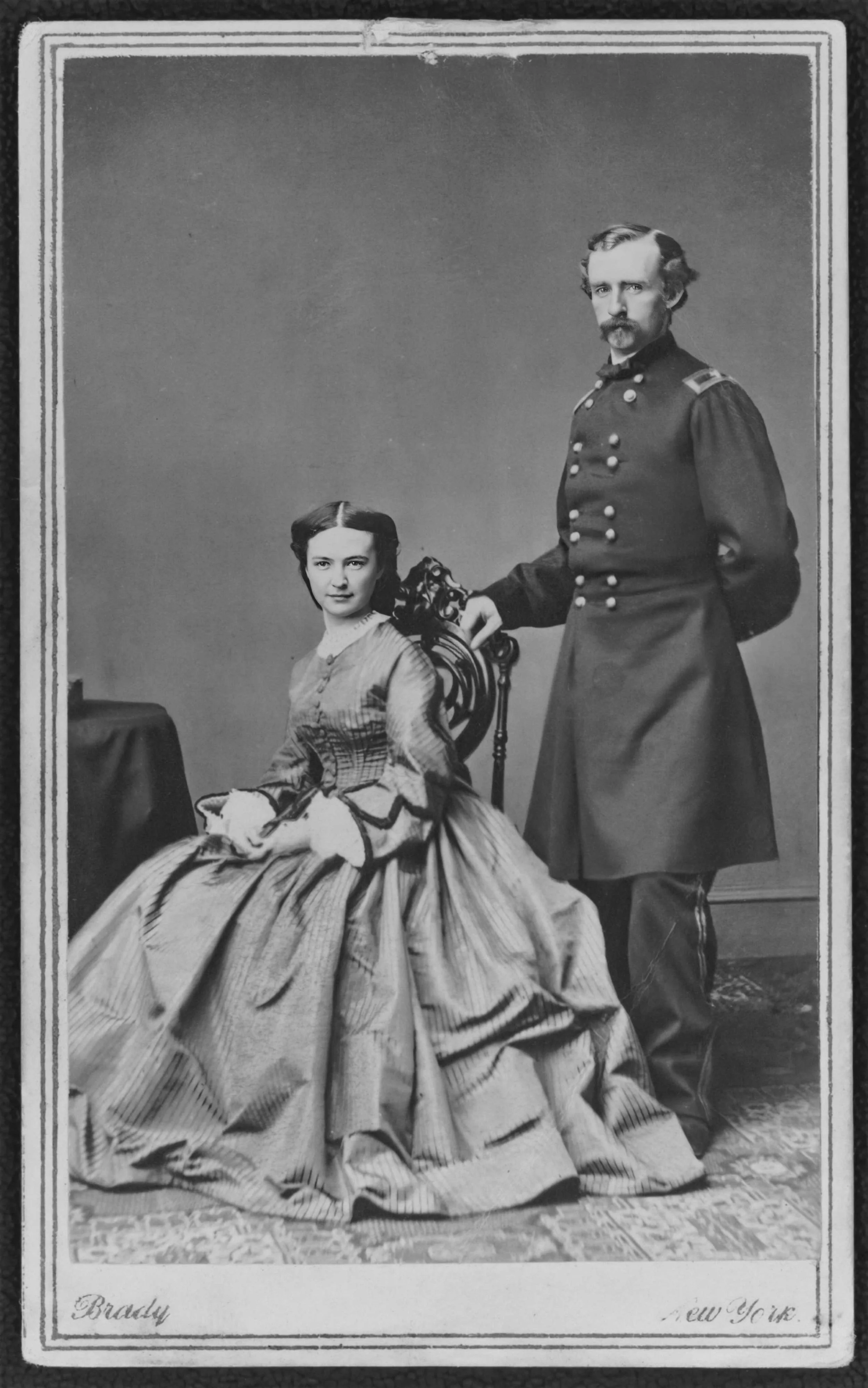
JULY 6: The Mourning Begins
Libbie Custer and husband George Custer were married on Feb. 9, 1864. Libbie was 34 when she was widowed in June 1876.