
NOV 3: Black Hills Officially Opens to White Settlers
On Nov. 3, 1875, President Ulysses S. Grant convenes his cabinet and decides the U.S. Army will no longer impede white settlers from entering the Black Hills.
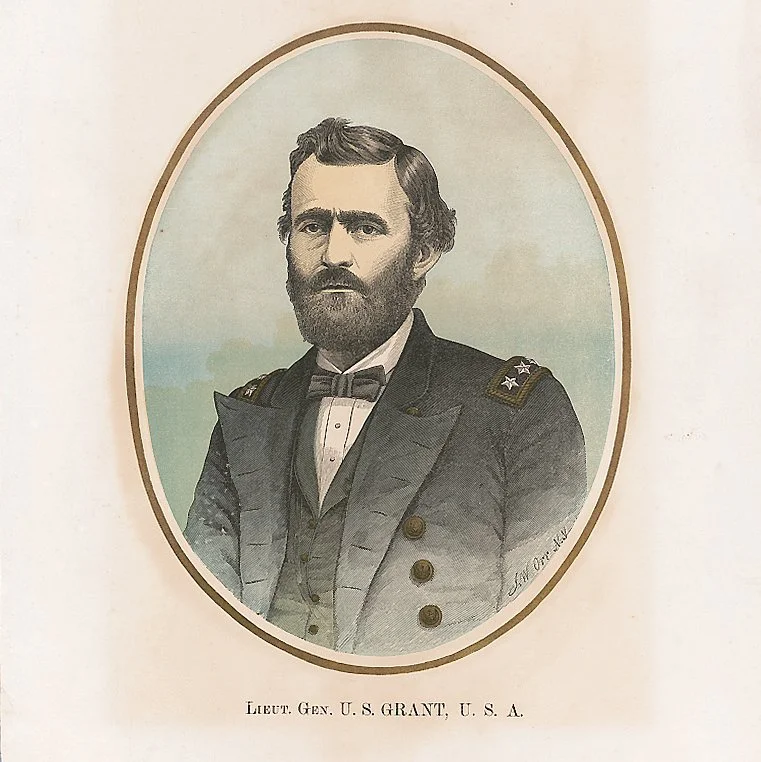
U.S. Grant. (Credit; Library of Congress)
By fall 1875, 15,000 hopeful miners had settled in Dakota Territory. Many snuck into the Black Hills in violation of the 1868 Treaty of Forth Laramie, which guaranteed the land to the Sioux. A large number were evacuated by the Army or killed by Indians.
The U.S. government offered to buy the Black Hills for $6 million, but Sioux leader Sitting Bull rejected the offer.
In December 1875, the government directed all remaining Sioux living outside the reservation to move there by Jan. 31, 1876. The order, which was highly unlikely to be fulfilled during the dead of winter, stated that all who refused to move on to the reservation would be considered hostiles.
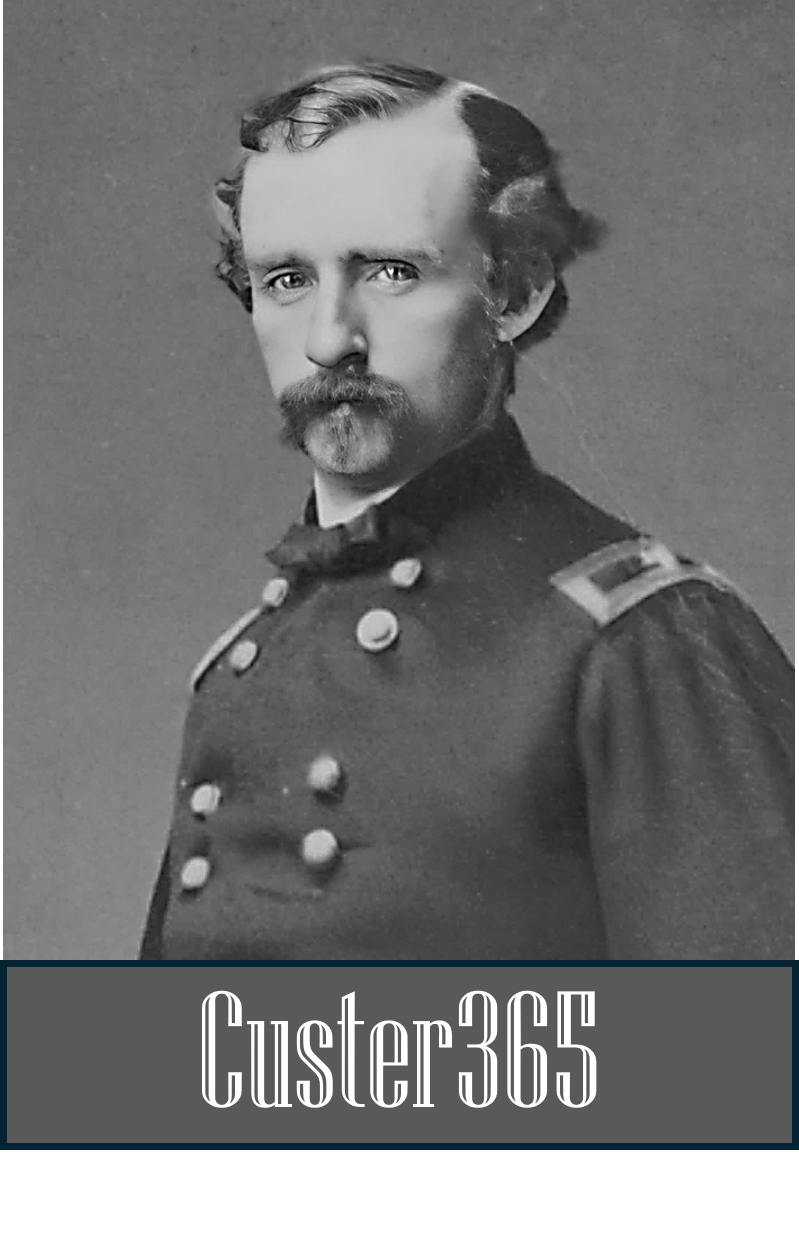
The Jan. 31, 1876 deadline passed, triggering the Great Sioux War between the U.S. and the Sioux and Cheyenne tribes. It would peak on June 25, 1876, when Lt. Col. George A. Custer and 210 troopers of the U.S. 7th Cavalry were killed at the Battle of Little Bighorn.
In June 1980, the United States Supreme Court ruled in favor of the Sioux Nation and against the United States government regarding the expropriation of the Black Hills in the 1870s. The court acknowledged the unconstitutional taking of the Black Hills and awarded the Sioux Nation $106 million in compensation. However, the Sioux Nation refused the monetary award, maintaining their goal was return of the land, not financial compensation. In 2022, that amount had grown to an estimated $1 billion.