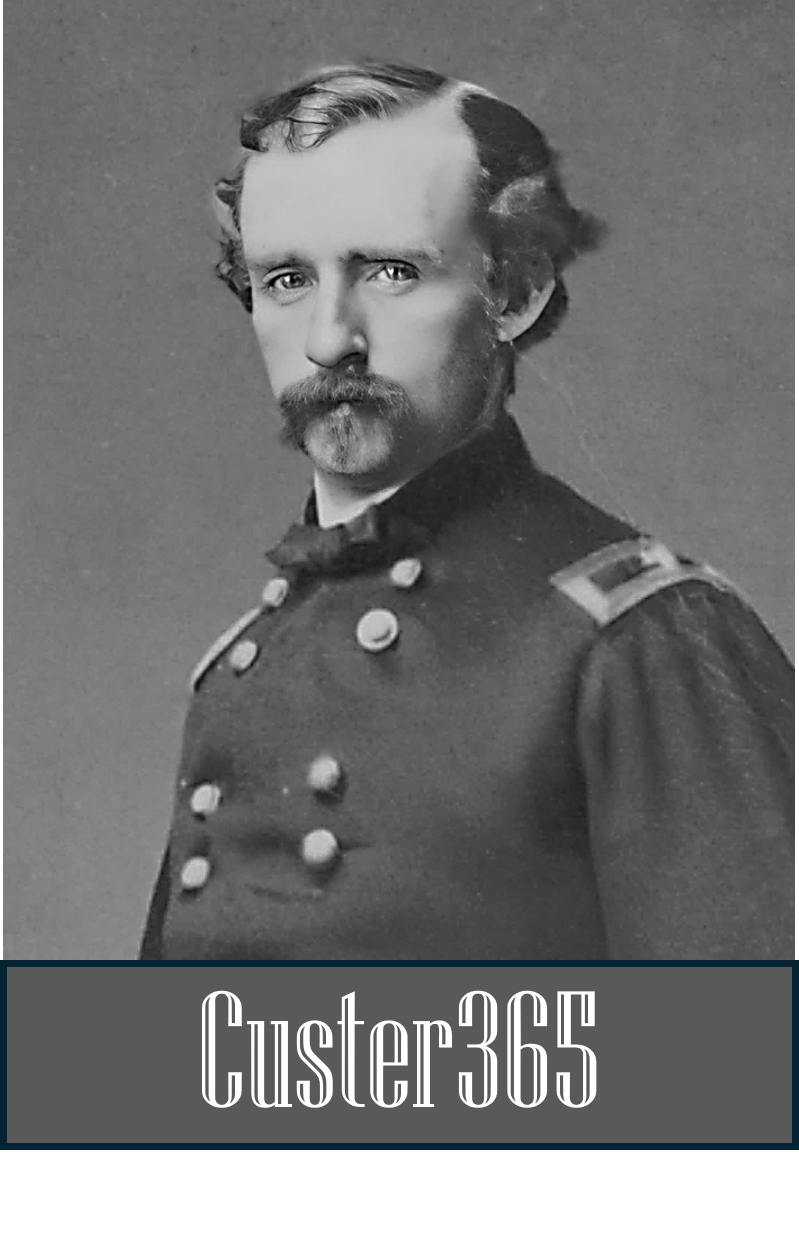


OCT 16: New Home at Ft. Riley
After catching the play, ‘Rosedale,’ featuring actor Lawrence Barrett, in St. Louis, Libbie and George Custer head for their new Army home at Fort Riley, Kansas.

OCT 15: Art Imitates Life
Confederate General Nathan Bedford Forrest makes it into another major motion picture, this time as the name given to a medal presented to a villainous colonel in ‘One Battle After Another.’

OCT 14: Michigan in the Civil War
George A. Custer promoted a fierce fighting spirit among Michigan soldiers in the Civil War. The Detroit Historical Society offers a traveling exhibit on contributions made by the state’s fighting men.

OCT 13: Officer Pay
Following his heroics at Gettysburg and promotion to Major General, Joshua Chamberlain’s pay was bumped up to $457 a month ($9,433 in 2025 dollars.) How much did other Union generals make?

OCT 12: Like Father, Like Son (pt. 1)
Western Indian fighter and author Charles King began his career during the Civil War as an orderly for his father, Union Brig. General Rufus King. He was born on Oct. 12, 1844.
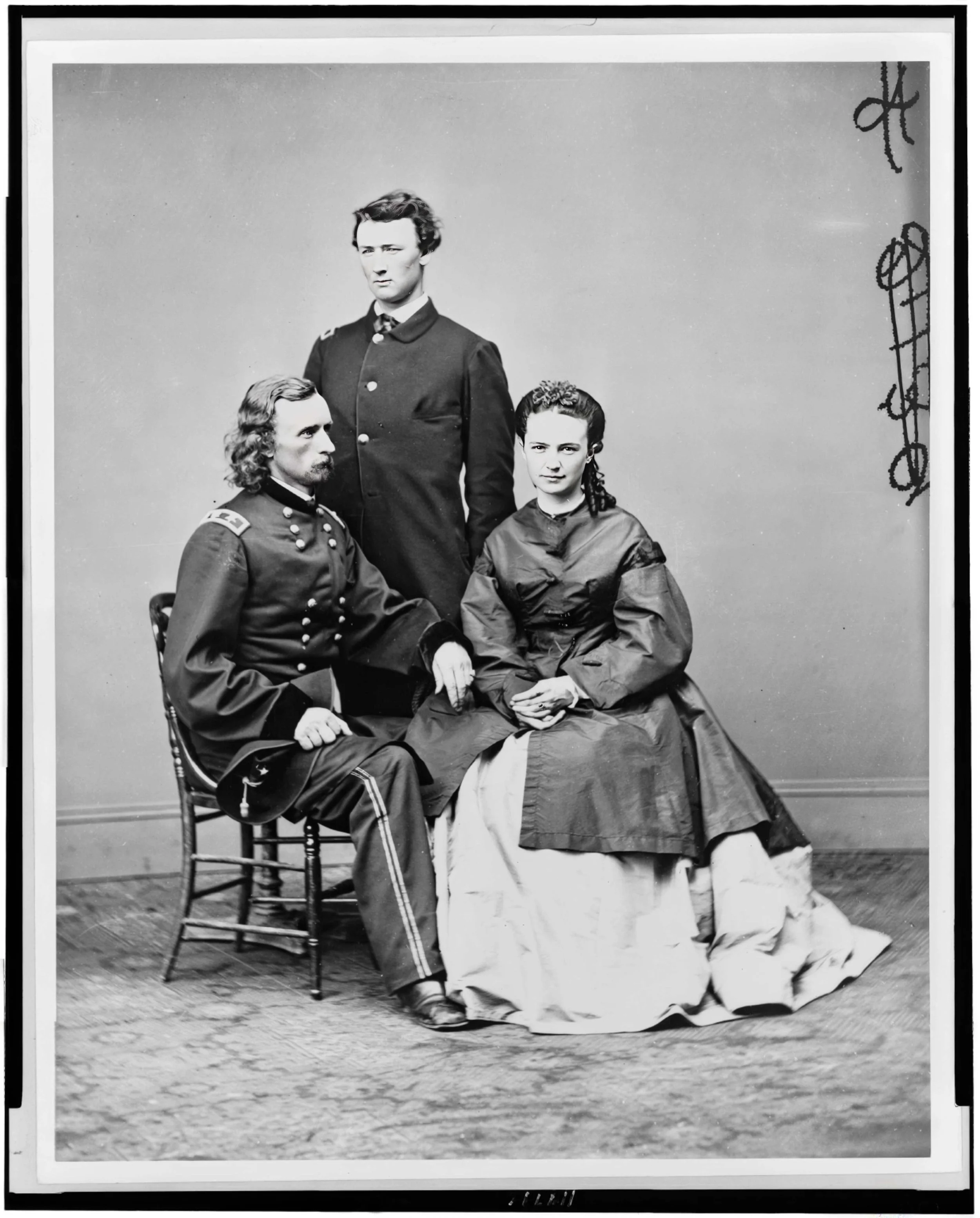
OCT 11: Guilty as Charged
On Oct. 11, 1867, an Army court finds Lt. Col. George A. Custer guilty of absence without authorization and unlawful killing of deserters.

OCT 10: Custer Laid to Rest
George Armstrong Custer is laid to rest at West Point Cemetery on Oct. 10, 1877.

OCT 9: The Woodstock Races
Chivalry of olden days lived for a moment on Oct. 9, 1864, as Yankee George A. Custer and Rebel general Thomas Rosser saluted one another prior to initiating a battle. The fight became known as “The Woodstock Races.”
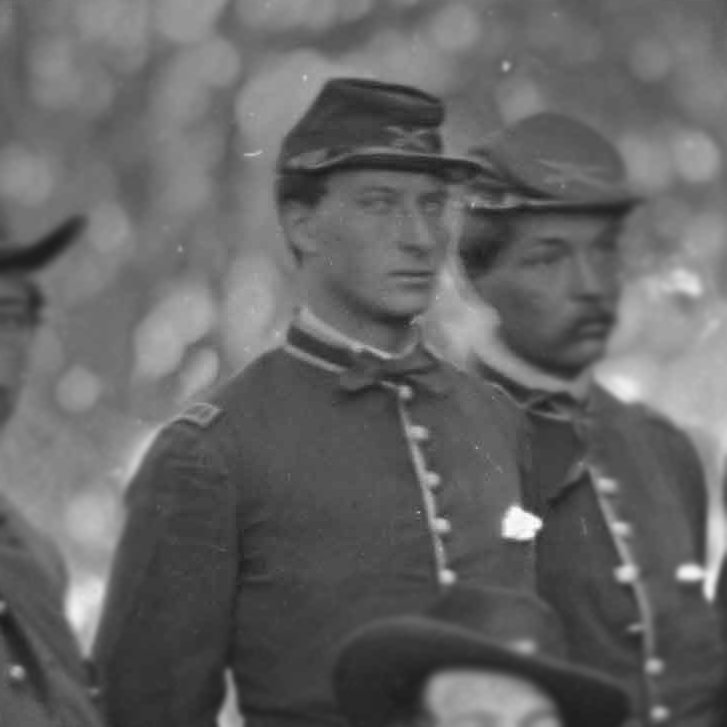
OCT 8: Widows and Orphans
On Oct. 8, 1876, Libbie Custer pens a letter asking creators of a fund supporting widow’s of men killed at Little Bighorn to include the spouses of two officers.

OCT 7: ‘The Cooks Killed More Soldiers Than the Indians’
Hardtack, a simple, dry cracker, was a staple food source for soldiers at posts in the West in the 1870s.

OCT 6: ‘Custer Luck,’ Episode One
‘Custer Luck’ was the name given to George A. Custer’s uncanny streak of good fortune early in his career. Army general and military hero Winfield Scott played a role in one such episode.

OCT 5: Help Arrives
Col. Wesley Merritt and troops from the 5th Cavalry Regiment arrive at Mill Creek in Colorado on Oct. 5, 1879, and rescue survivors of an earlier attack by Ute warriors.

OCT 4: ‘Camp Custer March’
Sheet music for ‘Camp Custer March’ is published on Oct. 4, 1909.

OCT 3: Canine Companions
George Custer and his wife had as many as 80 dogs with them during their marriage. One military orderly even held the job of dog keeper for the couple.

OCT 2: Plump Generals of the Past
Lt. General Winfield Scott probably wouldn’t cut in in today’s U.S. Army. Learn more about this portly war hero of yore.

OCT 1: On Medical Leave
George A. Custer may have picked up a case of typhoid fever while serving under Union Gen. Philip Kearny in Washington, D.C., in the fall of 1861.
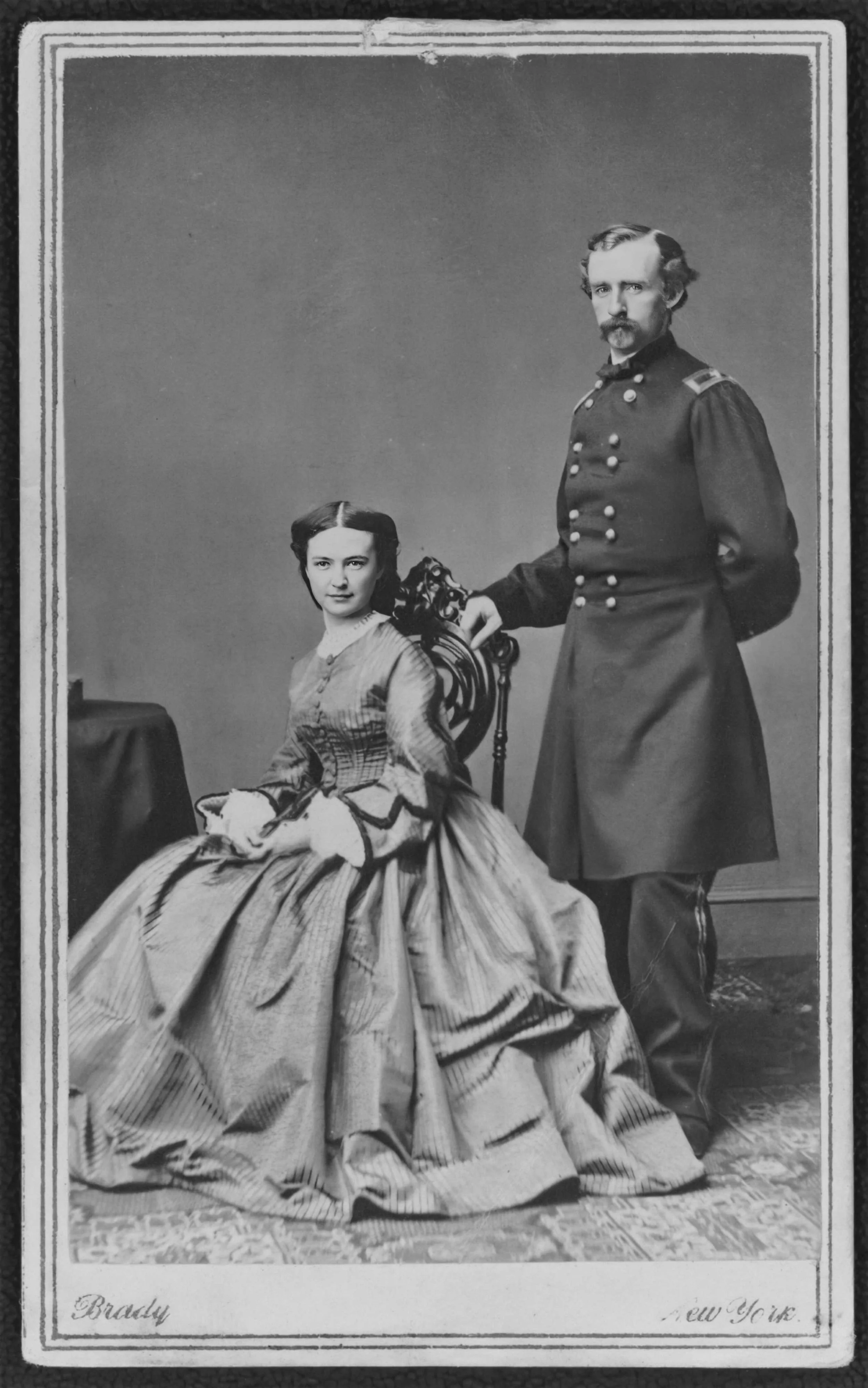
SEPT 30: He’s Back
George A. Custer is reinstated to command of the 7th Cavalry on Sept. 30, 1868, following a year’s suspension after a court-martial conviction for leaving his troops without authorization.

SEPT 29: Go West, Young Man
Horace Greeley gets credit for saying, “Go West, young man!” in the 1860s. But, Indiana newspaper editor John B.L. Soule is believed to have first written that line on Sept. 29, 1851.

SEPT 25: Saved By the Cavalry
A group of Army scouts and troopers hang on for nine days for help to arrive after the Battle of Beecher Island in present-day Colorado. Cheyenne war leader Roman Nose is killed in the fighting.

SEPT 24: Sheridan Shifts to Winter Strategy
Lt. Gen. Philip Sheridan tells George Custer in a Sept. 24, 1868 telegraph the Army would begin pursuing Indian tribes during the winter months of 1868-69.